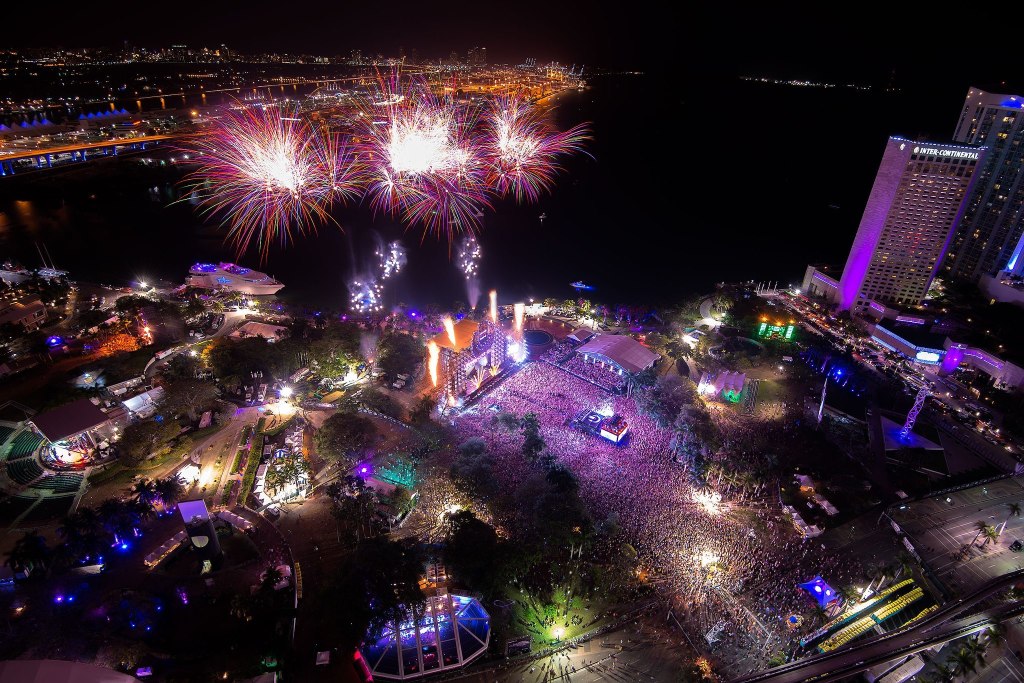
The Ultra Music Festival in Miami has long been a beacon for electronic music enthusiasts worldwide. However, recent editions have seen a surge in attendee concerns regarding the escalating costs of food and beverages within the festival grounds. Both regular and VIP ticket holders have voiced frustrations over what they perceive as exorbitant pricing, particularly for cocktails and bottled drinks.
In the 2023 edition, some attendees noted that food and drink prices were “definitely reasonable,” with one festival-goer highlighting a “delicious arepa” purchased on-site.However, this sentiment isn’t universally shared. Another attendee expressed disappointment, stating that the festival felt like “buying a very expensive rum cocktail that tastes good but contains no rum.”
This trend isn’t isolated to the Ultra Music Festival. Globally, major music events have seen rising costs associated with attendance. For instance, in 2022, the global concert business was valued at $11.7 billion, a 5% increase from 2019. This growth is largely attributed to rising ticket prices, which saw a 10% uptick compared to 2019 figures.
The question arises: Is it strategic for festival organizers to capitalize on the event’s enthusiasm to maximize profits through elevated pricing? While higher prices can boost immediate revenue, they risk alienating attendees and potentially diminishing long-term loyalty. Balancing profitability with attendee satisfaction is crucial. Transparent communication about pricing structures and offering value-driven options can help mitigate dissatisfaction.
In conclusion, as festivals like Ultra Miami continue to evolve, organizers must weigh the benefits of increased pricing against the potential impact on their reputation and attendee experience. Striving for a balance that ensures both profitability and a positive festival atmosphere will be key to sustaining success in the competitive world of music festivals.
Photo credit: Mr_zot_37
